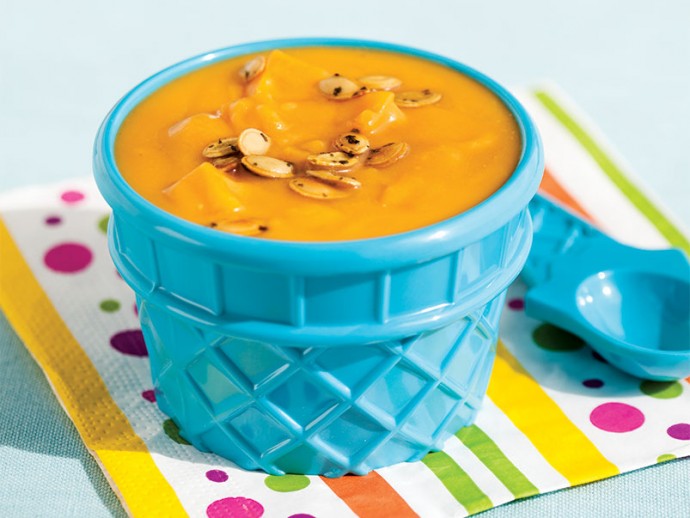



Not sure how to get your teen to eat better? Start with this: at dinner, fill half their plate with a variety of raw and cooked vegetables—the more colorful the better.
Through simple and persistent tactics, you can meet your teen’s nutritional needs and improve your own eating habits in the process.
1. Eat protein regularly, especially at breakfast
- Boil six eggs at a time and have them peeled and ready to grab and go.
- Pre-load a blender the night before with protein powder, Greek yogurt, walnuts, pumpkin seeds and whatever fruit you fancy, and refrigerate overnight.
- Cook an extra serving of fish or chicken for use in the next day’s meals.
- Stock up on seeds, nuts and beans as no-prep protein sources.
2. Choose high-fiber grains
- Serve brown rice instead of the “white stuff.”
- Opt for 100 percent whole grain wraps or whole grain bread.
3. Munch on fruit for a sweet fix
- Make apples, mangoes, peaches and pears your go-to sweet treats.
- Learn to use fruit purees and dried fruit to sweeten your desserts.
- Put a box of clementines by the couch or another spot where mindless eating occurs.
4. Satisfy with sweet low-calorie foods
- Have cut-up sweet bell peppers, carrots, cucumbers or zucchini sticks on hand.
- Drink herbal teas with hints of sweet flavors, especially cinnamon, licorice and fennel (anise).
- Try chewable vitamin C tablets (but remember: these are supplements and should be eaten in moderation).
- When choosing fruit juice, avoid those with added sugars.
5. Substitute stress eating with a fun activity
- Write down a goal and/or a routine to encourage regular participation in a sport, creative hobby or mind/body exercise.
- Hang out with friends who are interested in healthy eating and active living.
6. Make fresh produce the norm
- Blend a large handful of leafy greens into a fruit smoothie for breakfast.
- Pack an apple, pear or two clementines for a snack between morning classes.
- Add a veggie-loaded soup to lunch.
- Pack cucumber, celery and carrot sticks with hummus for an afternoon snack.
7. Adopt the 80-20 rule
Instead of feeling constantly restricted, teens need to learn how to indulge a little without going overboard. Eating natural whole foods 80 percent of the time and then having a few treats once a week is a great rule for achieving balance. The “80-20 rule” will ensure teens really enjoy treats instead of becoming desensitized by constantly eating sugar, salt and fat.
Supplements for teens
The rule of thumb is: think food first. Correct what you can in your teen’s diet, then fill in the gaps with supplementation. Supplements that are generally safe for teens that provide “nutritional insurance” include:
- a gender-specific multivitamin and mineral supplement (for example, with extra iron for girls)
- a multistrain probiotic
- vitamin D, especially during the winter months
- omega-3 DHA and EPA