


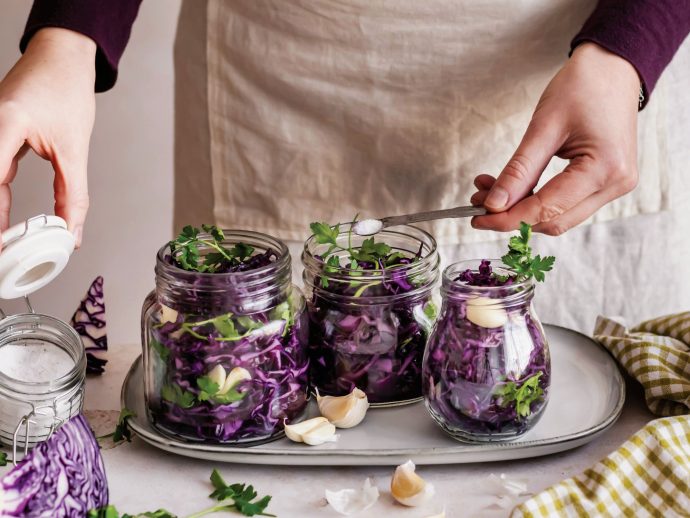
These days, we’re learning that a healthy gut microbiome, one that is richer in helpful bacteria and lower in unamiable ones, is a harbinger of good health: research has shown that it improves digestive, heart, and brain health. When it comes to what we eat, the microbiome lends an assist in digesting, processing, and excreting for better overall nutritional status. In other words, consider the microbiome as an important component of detoxifying our bodies for lasting health.
Here are some ways that the most beneficial microbes that reside in our intestines can be best supported.
Go plant crazy
As part of the American Gut Project, University of California San Diego School of Medicine researchers discovered that people who ate more than 30 different types of plant-based foods per week had a greater diversity of beneficial gut microbiota than those who ate 10 or fewer types of plant foods.
Work up a sweat
A recent study review in Medicine and Science in Sports and Exercise found enough evidence to suggest that regular bouts of exercise are associated with a positive shift in gut microbial composition (higher levels of bugs that produce the beneficial compound butyrate).
Go easy on meat
Some research suggests that a meat-heavy diet, especially at the expense of plant-based foods, can shuffle around the types of microbes thriving in the gut to favour less beneficial types.
Shop for inulin
Inulin (a prebiotic) belongs to a class of carbohydrates called fructans, which are plant carbohydrates that, because of their unique structure, resist digestion in the upper gastrointestinal tract but are quantitatively fermented in the colon by the microorganisms that reside there. This helps the beneficial microbes flourish and produce postbiotics. You can source this prebiotic fibre from Jerusalem artichokes; chicory root; alliums, including onions, leeks, and garlic; asparagus; soybeans (which includes edamame); oats; and whole wheat.
Manage stress
It’s thought that periods of stress can reshape the human microbiome in a way that’s less favourable to health. Measures such as going for walks and practising meditation that help downgrade stress are important.
Try supplementation
A probiotic supplement can help optimize the microbiome, especially during periods of travel, illness, antibiotic use, or stress, when your microbiome can take a hit.
Don’t overdo the sweet stuff
Research published in the journal iScience found that people who consumed more foods and drinks with aspartame, sucralose, saccharin, and stevia leaf extract had less diverse beneficial colonies of gut bacteria and higher concentrations of harmful toxins in their intestines when compared to those study participants who didn’t use non-nutritive sweeteners.
Grab more shut-eye
It appears that both sleep fragmentation and short sleep duration are associated with gut dysbiosis, an imbalance in the different types of microscopic organisms living in your body. Make it a habit to practise good sleep hygiene, such as reducing bright light exposure before bedtime and keeping that phone far away from the bed.
By Matthew Kadey, MSc, RD