

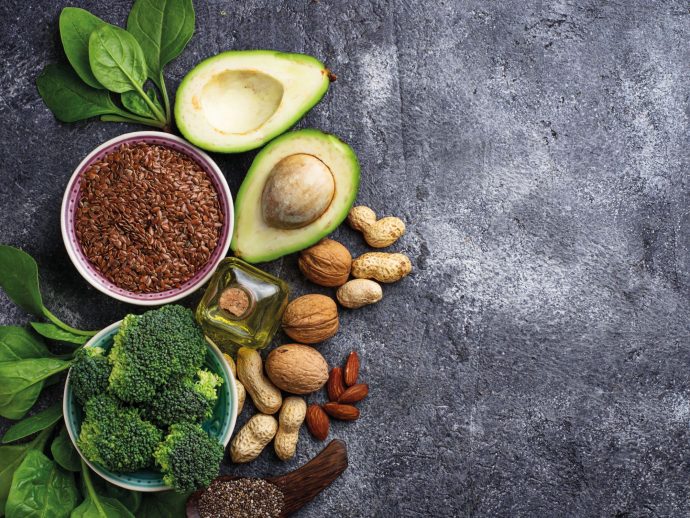
A 2024 brain-imaging study in older adults compared intake measures of key nutrients with signs of brain health, identifying the foods and nutrients most strongly associated with slower brain aging.
Omega-3 fatty acids
Individuals who demonstrated signs of delayed brain aging tended to have higher bodily concentrations of the anti-inflammatory omega-3 fatty acids Inflammation is considered a hallmark of brain aging as it disrupts the blood-brain barrier, making the brain more susceptible to structural damage over time.
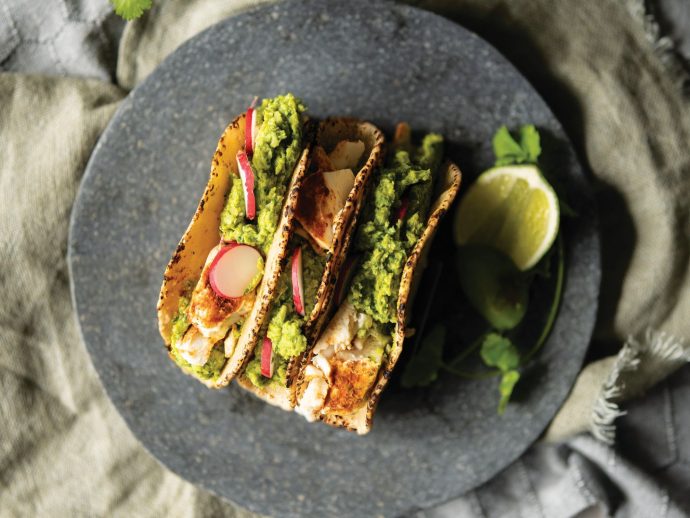
EPA and DHA are found in fatty fish like salmon, sardines, and trout, while ALA is found in flaxseed, hempseed, chia seed, soy-based foods, and walnuts.
Carotenoids
Oxidative stress, which carotenoids help to combat, is considered another hallmark of brain aging. It’s unsurprising that a high carotenoid intake was associated with better brain health.
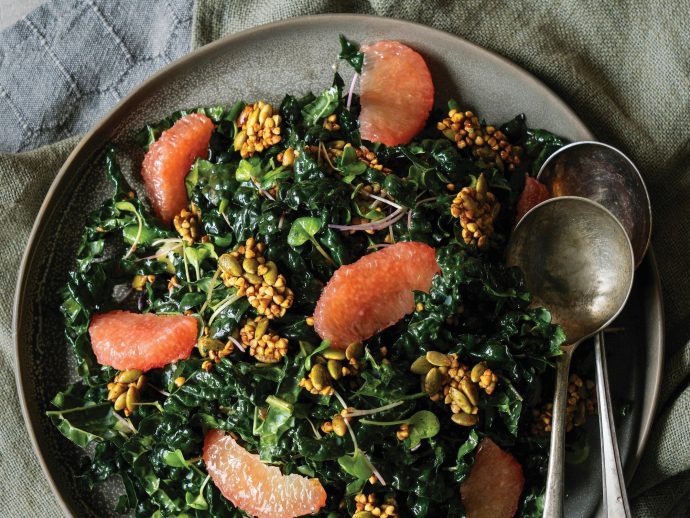
Carotenoid sources include spinach, kale, bell peppers, tomato, watermelon, broccoli, carrots, grapefruit, and cantaloupe.
Vitamin E and choline
Having higher bodily levels of vitamin E is associated with better cognitive health. Vitamin E is found primarily in nuts, seeds, leafy greens, and fish.
Choline is a precursor to creating a compound known as phosphatidylcholine, which populates brain cell membranes and regulates the release of various neurotransmitters required for optimal brain function. Choline is found in foods including eggs, edamame, cauliflower, beef, chicken, peas, pork, broccoli, and milk.
The gut-brain connection
Older adults with cognitive issues are much more likely to have a gut microbiome characterized by imbalances in good and bad bacteria, with an overrepresentation of pro-inflammatory species.
A healthy gut microbiome produces beneficial compounds known as short-chain fatty acids (SCFAs), which have an anti-inflammatory influence and facilitate healthy gut-brain communication via multiple pathways.
These influences include enhanced nutrient absorption and keeping the intestinal lining strong, thus preventing toxins from entering the blood stream and crossing the blood-brain barrier via the gastrointestinal tract. This is where polyphenols come in.
Polyphenols―the gut-brain connectors
Polyphenols are a family of plant-based compounds known to encourage gut bacteria to produce beneficial SCFAs.
In 2018, Neurology published a study—involving 1,329 older adults followed over 12 years—that found those in the highest consumption category of polyphenols had a 50 percent lower risk of dementia than those in the lowest consumption category.
Easy ways to boost your dietary exposure to polyphenols include cocoa powder, ground flaxseed, artichoke, blueberries, and more frequent use of culinary herbs/spices.
by Andy De Santis, RD, MPH