


Global waste reduction targets
With the United Nations’ Sustainable Development Goals including a 50 percent per capita reduction in global food waste by 2030, the pressure is on to find ways to extend shelf life and make better use of our food.
Enter packaging. Shrink wrap on an English cucumber protects these thin-skinned staples from bruising, drying out, or being exposed to too much moisture and rotting. Polylactic acid (PLA), used to make compostable plastic clamshells, improves blueberry shelf life.
But are we trading one problem for another when we opt for produce packaged in plastic to keep it fresher longer?
When biodegradable or compostable doesn’t help
Many of the existing biodegradable or compostable plastics used for packaging end up in landfills because they only break down in specific conditions and often not fast enough for most commercial compost facilities, where turnaround time is one to three months.
Packaging with a label on them are automatically diverted to landfill because the labels are made of different material that would contaminate recycled plastic.
Calling all YIMBYs (yes, in my backyard-types)
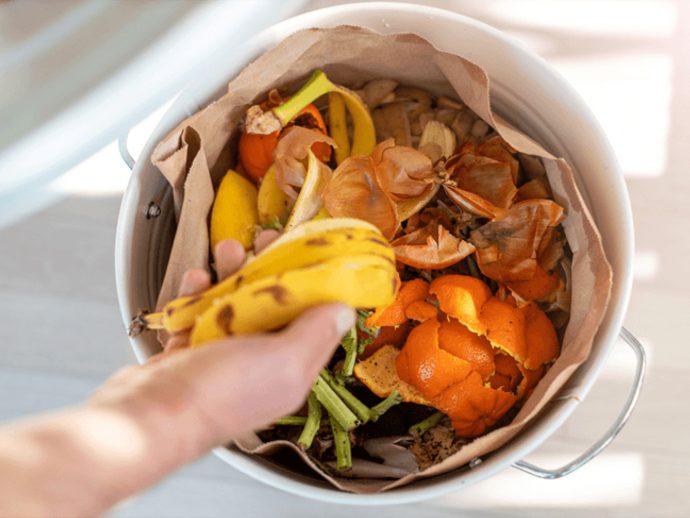
The backyard compost heap is where yard waste, food scraps, and some compostable packaging breaks down into humus, a dark, granular substance that can be added to soil to condition it—and grow more food right outside your door.
One of backyard composting’s greatest benefits is that it’s done at the source, making it more cost-effective than municipal options. Unlike municipal green bins, however, backyard composters are no place for meat, bones, or animal fats. Putting those items in the backyard composter can attract pests. It can also harbour pathogens, such as E. coli, if the pile is not hot enough to kill them off.
Local versus organic versus natural
It’s enough to make one’s brow furrow. Should you choose food produced locally or go organic? Does it have to be one or the other? And what the heck does “natural” mean?
CSAs = local, organic, and natural
Community-supported agriculture (CSA) models consist of consumers who buy a share of a growing season upfront and are paid in dividends of fresh produce as it’s harvested.
Local = environmentally friendlier
Local conventional produce also has its benefits, aside from travelling a shorter distance to get to your table. It often comes with less plastic packaging. Think berries sold in paperboard pints that can be torn up and thrown in the backyard composter or tossed in municipal green bins.
And “natural” = …
As for natural food, the US Food and Drug Administration defines it as free of added colour, artificial flavours, or synthetic ingredients. Unlike organic, however, it’s not an entirely regulated term, which can naturally lead to consumer confusion.
by Tiffany Mayer